
Published August 21, 2025

City Guide: The Hague

The Hague is a diverse, international city where history, politics, and vibrant urban life come together. You can stroll from long avenues to sunny boulevards along the beach, and from trendy coffee bars to the beautiful palaces of The Hague. For expats, the city offers a unique mix of a world city, comfort, and life by the coast.

What makes The Hague special

The Hague is the third-largest city of the Netherlands, after Amsterdam and Rotterdam, with about half a million inhabitants. While other Dutch cities are mainly known for their canals and bicycles, The Hague has its own authentic character. It is the political capital of the Netherlands, with the government located right in the city centre. The city is internationally known as The International City of Peace and Justice.

Despite its global significance, The Hague feels very relaxed. The city boasts numerous parks, peaceful residential neighbourhoods, and, just behind the beautiful dunes, kilometres of sandy beaches. It is nicknamed “the beautiful city behind the dunes.”

Why live in The Hague?

The Hague is considered one of the Dutch cities with the highest quality of life, especially for expats. It offers excellent job opportunities, with many headquarters of international companies and organisations based here. The city truly has something for everyone: you can enjoy the lively centre, the beach, and nearby forests. It’s easy to seek out the bustle or retreat to peaceful surroundings. For those who prefer to be away from the centre while still enjoying a cosy atmosphere, there are plenty of charming streets filled with shops, cafés, and restaurants, such as:

  • Theresiastraat;
  • Denneweg;
  • Fahrenheitstraat;
  • Piet Heinstraat.

From The Hague, you can travel in all directions: by train, Amsterdam is less than an hour away, and Delft, Rotterdam, Leiden, and Gouda can be reached in under 30 minutes. Even if you don’t work in the city itself, The Hague is a convenient place to live. One of the most iconic modes of transport in the Netherlands is the bicycle. There are actually more bicycles than people here! In The Hague, cycling is the quickest and most affordable way to get around.

Best neighbourhoods for expats

  • Statenkwartier: A classic choice for diplomats and international families. This elegant district boasts early 20th-century townhouses, the popular Frederik Hendriklaan shopping street (“De Fred”), and proximity to the beach.
  • Bezuidenhout: Centrally located near The Hague’s main train stations, with a mix of post-war apartments and charming streets. Ideal for commuters who need quick access to other Dutch cities.
  • Benoordenhout: Leafy, quiet, and upmarket. Known for its green spaces, spacious homes, and easy access to highways leading to Schiphol and beyond.
  • Zeeheldenkwartier: Creative and vibrant, full of cafés, boutique shops, and art galleries. Popular with a younger, international crowd who enjoy a lively yet community-oriented atmosphere.
  • Archipelbuurt: Elegant 19th-century mansions and tree-lined streets within walking distance of the city centre. A favourite among embassy staff.
  • Scheveningen: The Hague’s famous seaside district. Enjoy morning beach walks, seafood dinners by the water, and a laid-back vibe, all within an easy tram ride from the city centre.

Cost of living

While The Hague’s cost of living is higher than in many other Dutch cities, it is still more affordable than Amsterdam or Rotterdam. Average living expenses are around €2,000 per month, which is manageable on a gross monthly salary of €2,800. Rent averages €21.34 per square metre per month, with prices depending on whether the property is furnished, its size, and its location. Popular areas such as Statenkwartier, Archipelbuurt, and Scheveningen tend to be more expensive. Renting with others, known in Dutch as woningdelen (house sharing), is often a more affordable option.

Top 10 things to do

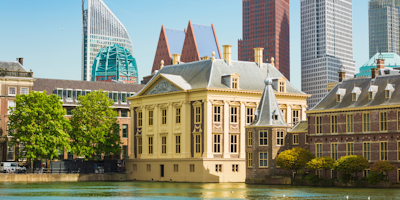
  1. Visit the Binnenhof: The political heart of the Netherlands and one of the oldest parliamentary buildings in the world. Take a guided tour to learn about its centuries-old history and current role.
  2. Mauritshuis: A small but world-renowned museum, home to masterpieces by Dutch Masters, including Vermeer’s Girl with a Pearl Earring and Rembrandt’s The Anatomy Lesson.
  3. Madurodam: Discover the Netherlands in miniature, from the canals of Amsterdam to the harbours of Rotterdam, all recreated in stunning detail. Fun for both families and adults.
  4. Tour the Royal Palaces: Stroll past Noordeinde Palace, the King’s working palace, and the fairy-tale Huis ten Bosch in the Hague Forest. Neither is fully accessible to the public, but the gardens and surrounding streets are beautiful.
  5. Walk Along the Beaches: Stroll along the boulevards, piers, and beach bars of Scheveningen, or enjoy the newly renovated Kijkduin and treat yourself to a delicious ice cream at Pavarotti.
  6. Escher in Het Paleis: A fascinating museum of illusions and graphic art by M.C. Escher, housed in a former royal palace. A must-see for art lovers and curious minds alike.
  7. Cycle Through the Dunes: From The Hague, you can cycle straight into dune landscapes like Meijendel, an ideal way to enjoy nature and escape the city.
  8. Kunstmuseum Den Haag: One of The Hague’s most prominent museums, featuring modern art, design, and fashion, including Mondrian’s famous Victory Boogie Woogie.
  9. Panorama Mesdag: Step inside a 360° painting of 19th-century Scheveningen. It truly feels as if you’re standing on a dune overlooking the sea. Perfect to combine with a beach day!
  10. The Passage: The oldest covered shopping arcade in the Netherlands. A beautiful, historic place to shop, enjoy coffee, or simply admire the architecture.

You might also like

Your new job in The Netherlands: The do’s and don’ts in Dutch work culture

The Netherlands is known for its tulips, canals, and progressive social policies, but for internationals entering the Dutch workforce, the work culture can be just as surprising. With its in general flat hierarchies, direct communication style, and strong emphasis on work-life balance, the Dutch professional environment offers both opportunities and challenges for new expats. In this article, we guide you through the Dutch workplace environment, so you’ll be optimally prepared for your Dutch job!

Rental Report Q1 2025: Rising rents and shrinking supply put Dutch rental market under pressure

Pararius releases its Rental Report each quarter, offering insights into the trends within the Dutch private rental sector. The Q1 2025 edition highlights a further destabilisation of the rental market, driven by a sharp drop in available properties and steadily growing demand. These developments are pushing rents upward, especially in the more affordable housing segments.

The cost of living in The Netherlands

The Netherlands is celebrated for its high standard of living, excellent infrastructure, and vibrant expat community. Ranked 6th on the 2024 World Happiness Index, it’s no surprise the country is a popular destination for professionals and families. That said, this quality of life comes with associated costs. Expenses can vary significantly based on lifestyle, location, and individual habits. For expats, understanding these costs is essential for effective budgeting and smoother integration. Below is an in-depth look at the key expense categories in the Netherlands.